Graphene Coating for Cars? Complete Guide, Benefits, Cost, Pros & Cons
Car owners today are constantly looking for better ways to protect their vehicle’s paint while maintaining a deep glossy finish. While ceramic coatings have been popular for years, a newer and more advanced solution is gaining attention — Graphene Coating.
Graphene coatings are often considered the next generation of paint protection technology, offering improved durability, heat resistance, and water repellency.
In this guide, we’ll cover everything you need to know about graphene coating, including:
- What graphene coating is
- How it works
- Benefits of graphene coating
- Pros and cons
- Cost and lifespan
- Maintenance tips
- Whether graphene coating is worth it
- What is Graphene Coating?
- How Does Graphene Coating Work?
- Key Benefits of Graphene Coating
- Pros of Graphene Coating
- Cons of Graphene Coating
- Graphene Coating vs Ceramic Coating
- How Long Does Graphene Coating Last?
- Cost of Graphene Coating
- How to Maintain Graphene Coating
- Is Graphene Coating Worth It?
- Graphene Coating for Cars FAQs
- Final Thoughts of Graphene Coating for Cars
- call us now: +91 81233 51391
What is Graphene Coating?
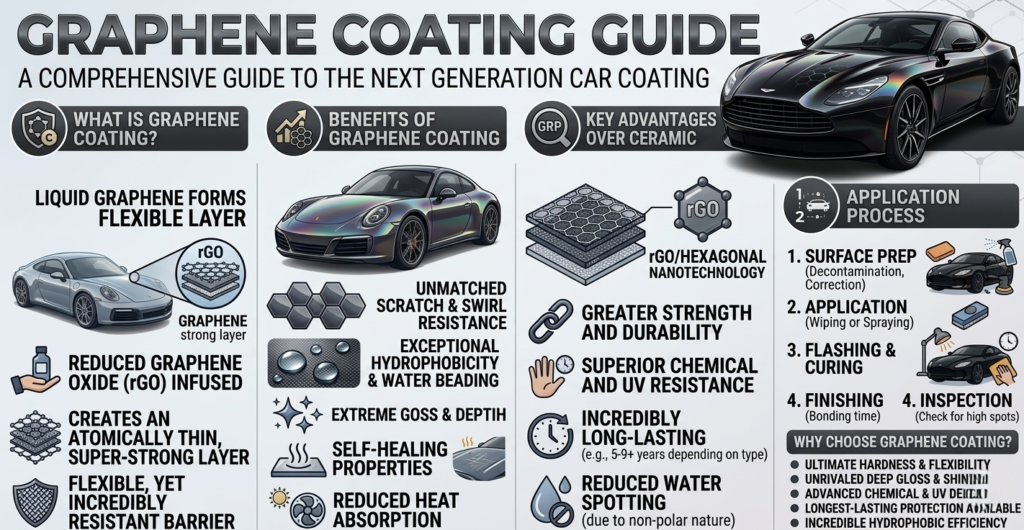
Graphene coating is an advanced paint protection coating that contains graphene particles combined with ceramic technology to create a durable protective layer over a car’s paint at Velora Detailing Studio
Graphene itself is a single layer of carbon atoms arranged in a hexagonal structure, making it one of the strongest and most conductive materials known.
When used in automotive coatings, graphene improves the durability, heat resistance, and hydrophobic properties of traditional ceramic coatings.
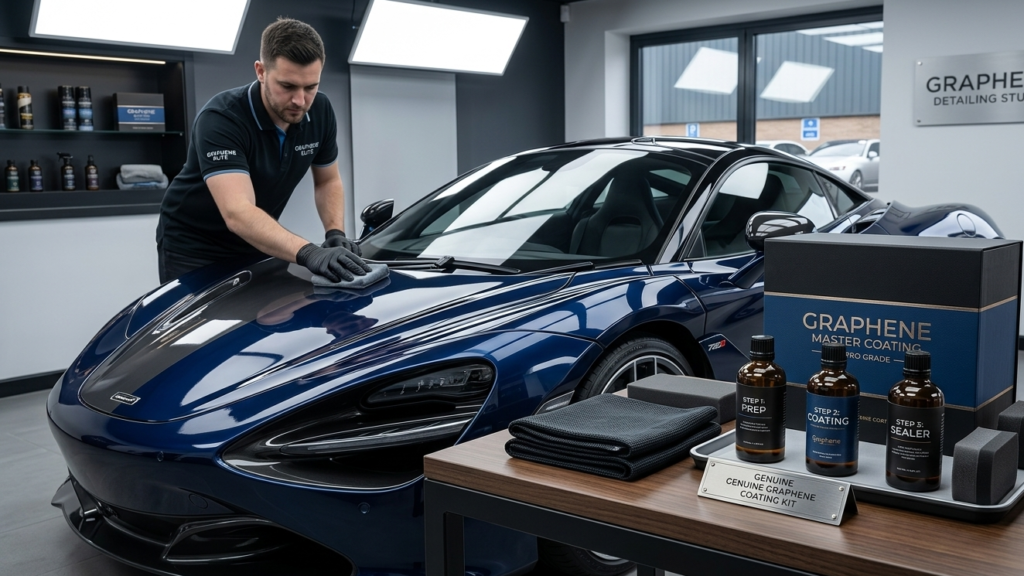
Once applied, graphene coating bonds with the vehicle’s clear coat and forms a protective layer that helps shield the paint from environmental damage.
How Does Graphene Coating Work?
Graphene coating works similarly to ceramic coating but includes graphene nanoparticles that enhance the coating’s performance.
When applied to the vehicle’s paint, the coating forms a strong molecular bond with the clear coat, creating a semi-permanent protective layer.
This layer provides:
- Water repellency
- Chemical resistance
- UV protection
- Improved durability
One of the biggest advantages of graphene coating is its anti-static properties, which help reduce dust accumulation on the vehicle’s surface.
Key Benefits of Graphene Coating
1. Superior Hydrophobic Properties
Graphene coatings create an extremely water-repellent surface. Water beads up and rolls off easily, helping keep the car cleaner for longer.
2. Better Heat Resistance
Graphene has excellent thermal conductivity, which helps reduce heat absorption on the paint surface.
This lowers the risk of water spots caused by heat buildup.
3. Reduced Water Spotting
Compared to traditional ceramic coatings, graphene coatings are known for minimizing water spotting, which is a common issue with other coatings.
4. Strong Chemical Resistance
Graphene coating protects your car from environmental contaminants such as:
- Bird droppings
- Tree sap
- Acid rain
- Road salts
5. Enhanced Durability
Graphene coatings are designed to be more durable and longer-lasting than many standard ceramic coatings.
6. Anti-Static Properties
Graphene helps repel dust and dirt due to its anti-static nature, keeping your car cleaner for longer periods.
Pros of Graphene Coating
✔ Excellent hydrophobic properties
✔ Better resistance to water spotting
✔ Anti-static surface reduces dust buildup
✔ High durability and long lifespan
✔ Strong UV and chemical protection
✔ Deep glossy finish
Cons of Graphene Coating
✖ More expensive than traditional ceramic coatings
✖ Requires professional application for best results
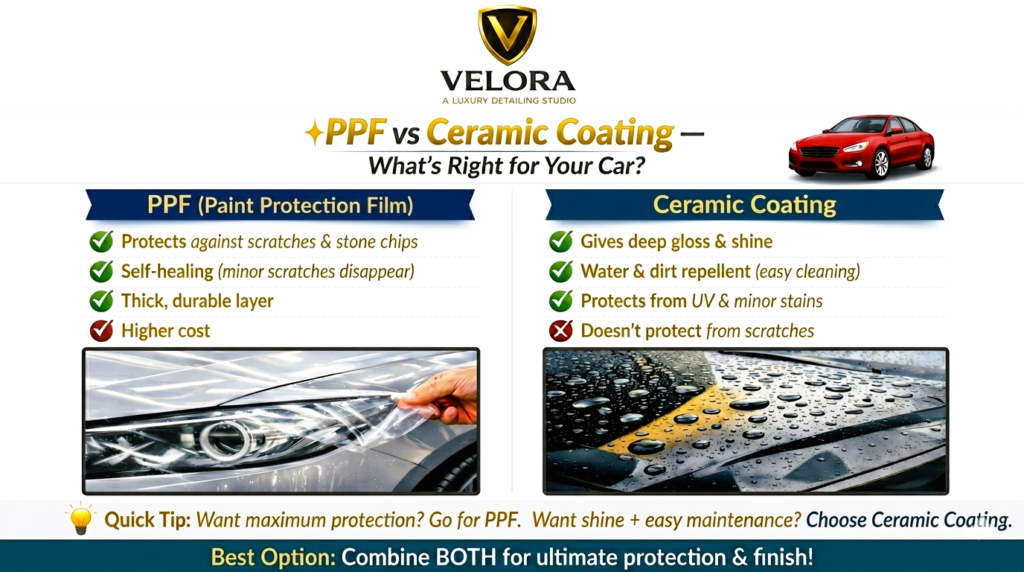
✖ Does not prevent rock chips or deep scratches
✖ Limited availability compared to ceramic coatings
Although graphene coating improves many aspects of paint protection, it cannot replace paint protection film for impact protection.
Graphene Coating vs Ceramic Coating
Many car owners wonder how graphene coating compares to ceramic coating.
| Feature | Graphene Coating | Ceramic Coating |
|---|---|---|
| Hydrophobic effect | Excellent | Very good |
| Water spotting | Reduced | More common |
| Heat resistance | Higher | Moderate |
| Dust resistance | Better (anti-static) | Moderate |
| Durability | Longer | Good |
Both options provide strong protection, but graphene coating is often considered a premium upgrade.
How Long Does Graphene Coating Last?
Graphene coatings typically last:
| Type | Lifespan |
|---|---|
| Entry-level graphene coating | 2–3 years |
| Professional graphene coating | 4–6 years |
The actual lifespan depends on:
- Product quality
- Application method
- Climate conditions
- Maintenance
Regular washing and proper care help extend the coating’s durability.
Cost of Graphene Coating
Graphene coating is generally priced slightly higher than ceramic coating due to its advanced technology.
Typical price ranges:
| Service | Estimated Cost |
|---|---|
| Basic graphene coating | $600 – $1,200 |
| Professional graphene coating | $1,200 – $2,500 |
Vehicles that require paint correction before coating may cost more.
How to Maintain Graphene Coating
Proper maintenance is important to keep the coating performing well.
Follow these maintenance tips:
- Wash the car regularly with pH-neutral shampoo
- Avoid automatic brush car washes
- Use microfiber towels when drying
- Remove bird droppings quickly
- Use maintenance sprays if recommended
These steps help maintain the coating’s gloss and hydrophobic properties.
Is Graphene Coating Worth It?
Graphene coating is worth it for car owners who want advanced paint protection with improved durability and reduced water spotting.
It is particularly beneficial for:
- New vehicles
- Luxury cars
- Car enthusiasts who want premium protection
- Owners looking for a long-lasting coating
However, if protection against rock chips is your priority, Paint Protection Film (PPF) is still the best option.
Many professionals recommend PPF combined with graphene coating for maximum protection.
Graphene Coating for Cars FAQs
Is graphene coating better than ceramic coating?
Graphene coating offers improved heat resistance, reduced water spotting, and better dust resistance compared to traditional ceramic coatings.
Does graphene coating prevent scratches?
Graphene coating can reduce minor swirl marks but cannot prevent deep scratches or rock chips.
How long does graphene coating last?
Professional graphene coatings typically last 4–6 years with proper maintenance.
Can graphene coating be applied over PPF?
Yes. Graphene coating can be applied over paint protection film to enhance gloss and hydrophobic properties.
Final Thoughts of Graphene Coating for Cars
Graphene coating is an advanced paint protection solution that offers excellent durability, water repellency, and resistance to environmental contaminants.
With its anti-static properties, improved heat resistance, and reduced water spotting, graphene coating is quickly becoming a popular choice among car owners looking for premium vehicle protection.
If you want a coating that offers long-lasting shine and advanced protection, graphene coating is a strong option worth considering. Velora Detailing Studio
Contact us today to book your graphene coating service and keep your car looking brand new.
👉 Book Your Graphene Coating Today